Man with a Movie Camera (1929)
Dziga Vertov
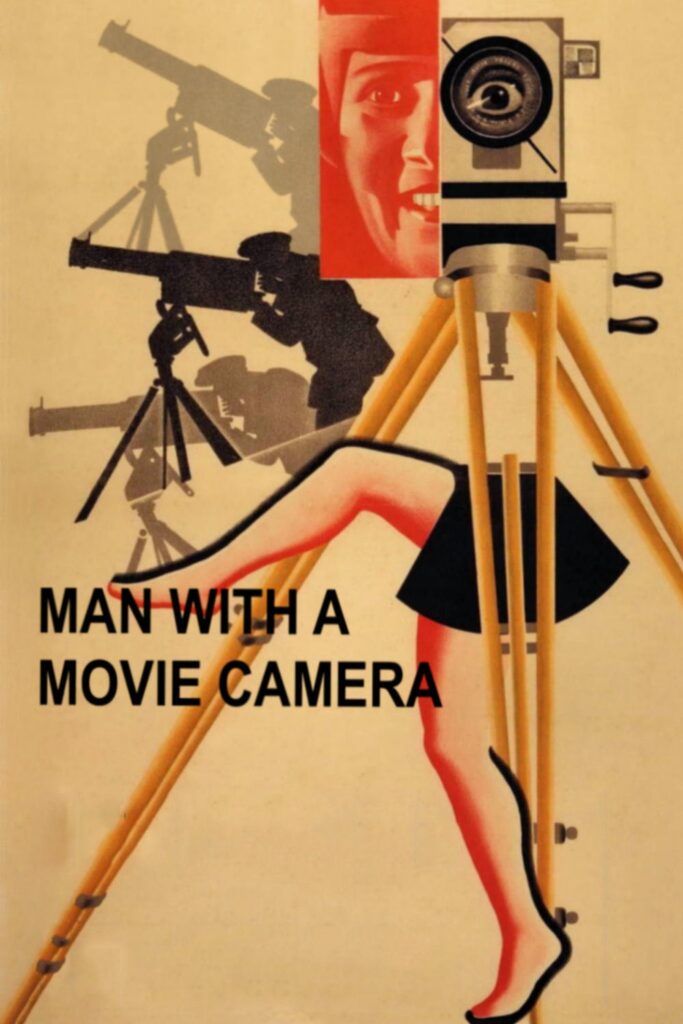
-Avant-garde style
-Montage: breaking the confines of traditional cinema, relates to the technical age
-the camera and the man are one in the same (shots of the filmmaking process within the movie)
-shots of crowds moving through urban settings, workers, etc. highlights the collective working to aid the state, following routines and being productive
-juxtaposition of the human body and technology- workers using machines, people using public transportation, the movie camera with the filmmaker
-camera could also represent surveillance over the population, as it watches over the city and its citizens. in addition, the human becomes the surveyor, as the camera and man become one
Battleship Potemkin (1925)
Sergei Eisenstein
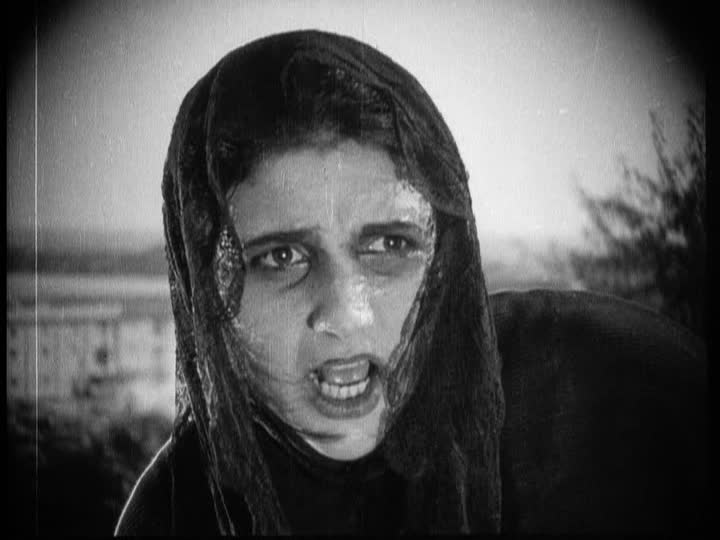
-Soviet montage
-a fight against oppressive regimes- a collective union
-individuals must join as one to become more powerful (soviet’s idea of sacrificing the individual for the greater good)
-climax of the film, the staircase scene highlights this idea of individual sacrifice
-transformation of the individual: an oppressed figure to a resistant figure to a collective revolution
-reflects the dual role of the human body in the Soviet state: both as a tool to enforce state power and as a weapon to challenge and transform it